

Crafted in Detail
How a Kennel & Schmenger shoe is made
From the first sketch to quality control and packaging
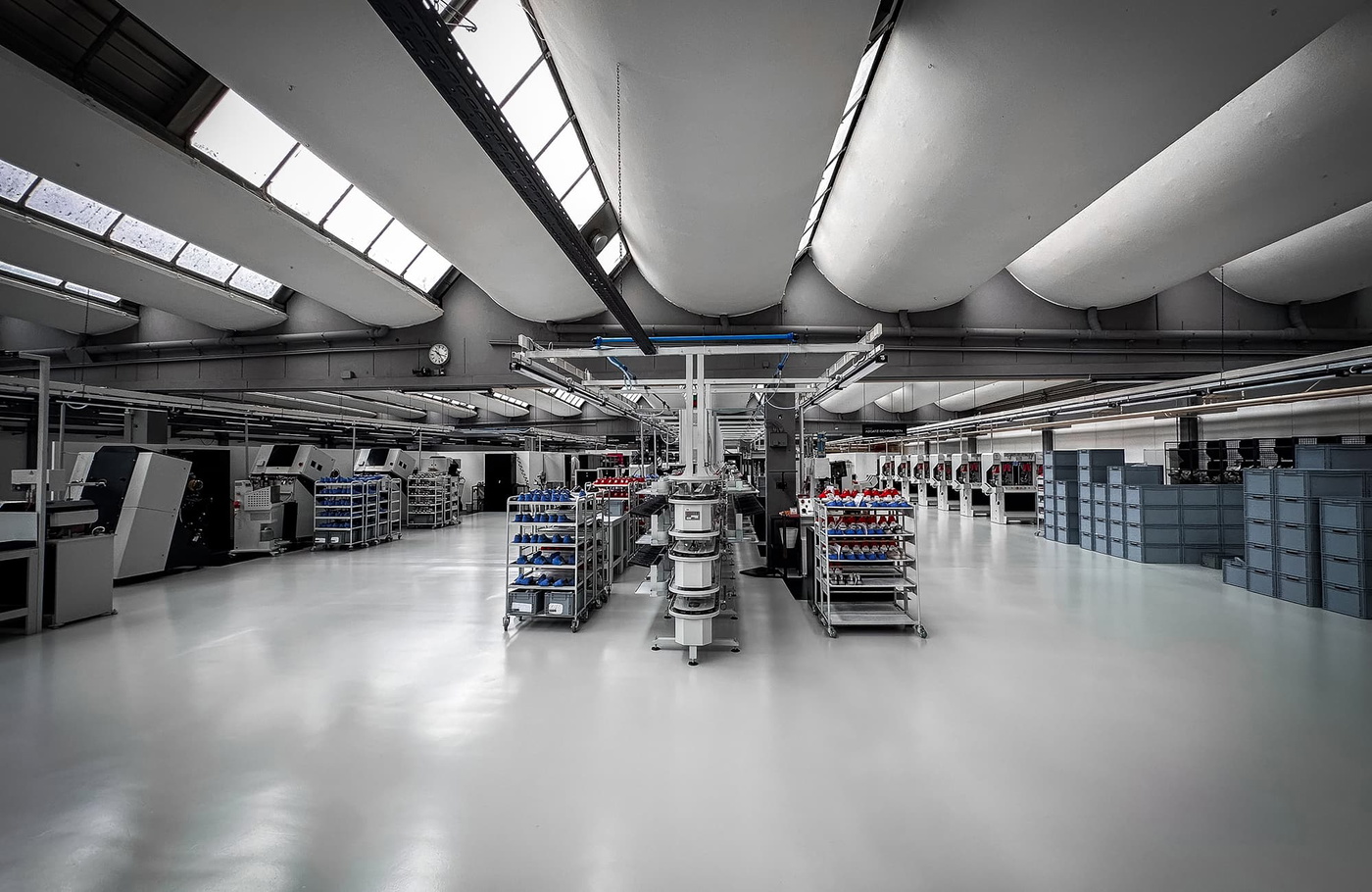
How is a premium women's shoe made? At the Kennel & Schmenger shoe manufactory, design, material expertise and craftsmanship come together. Discover in eight stages how a finished shoe is created from sketches, leather and countless individual parts.
01 Design and model development
From idea to model
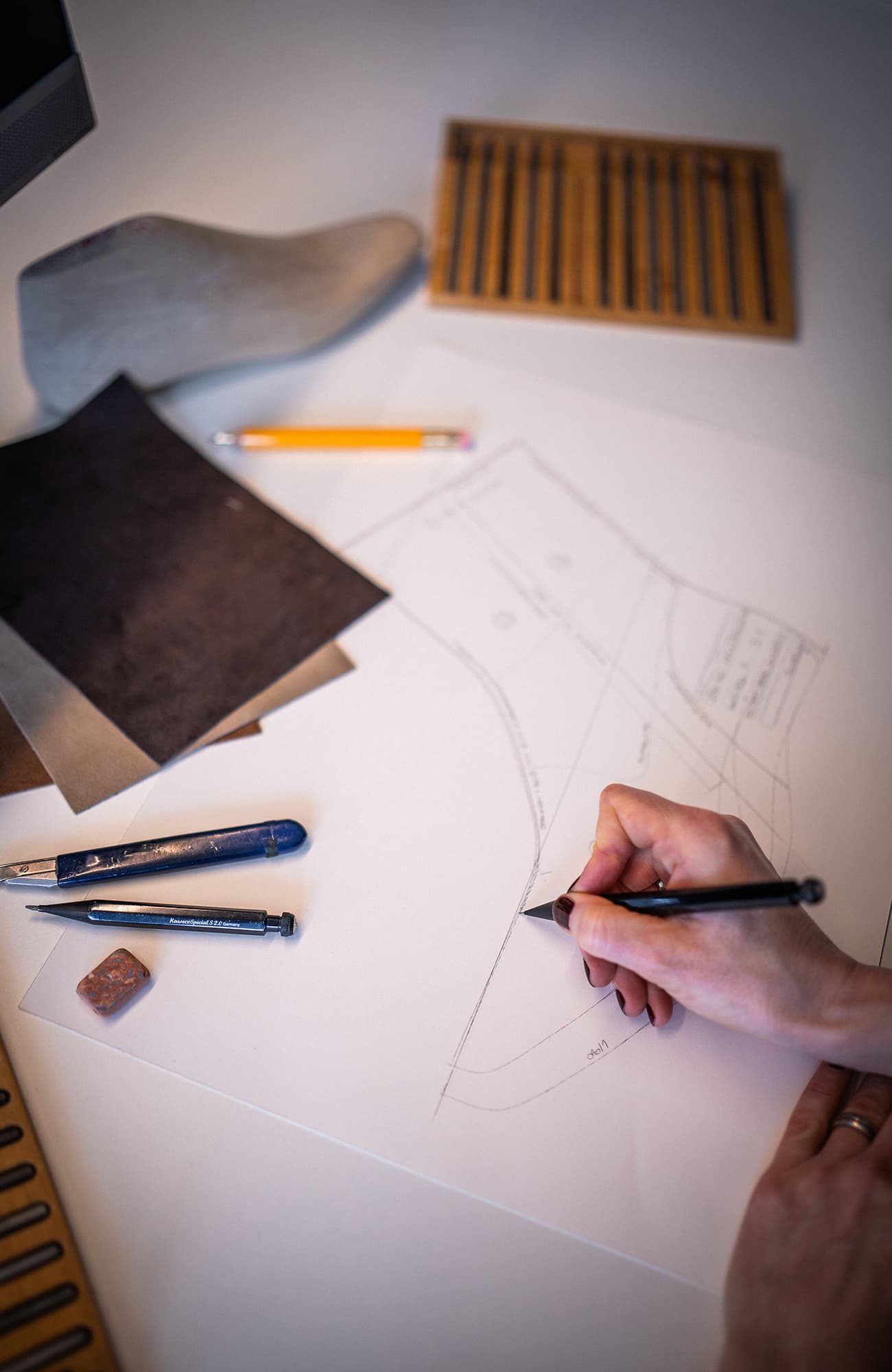
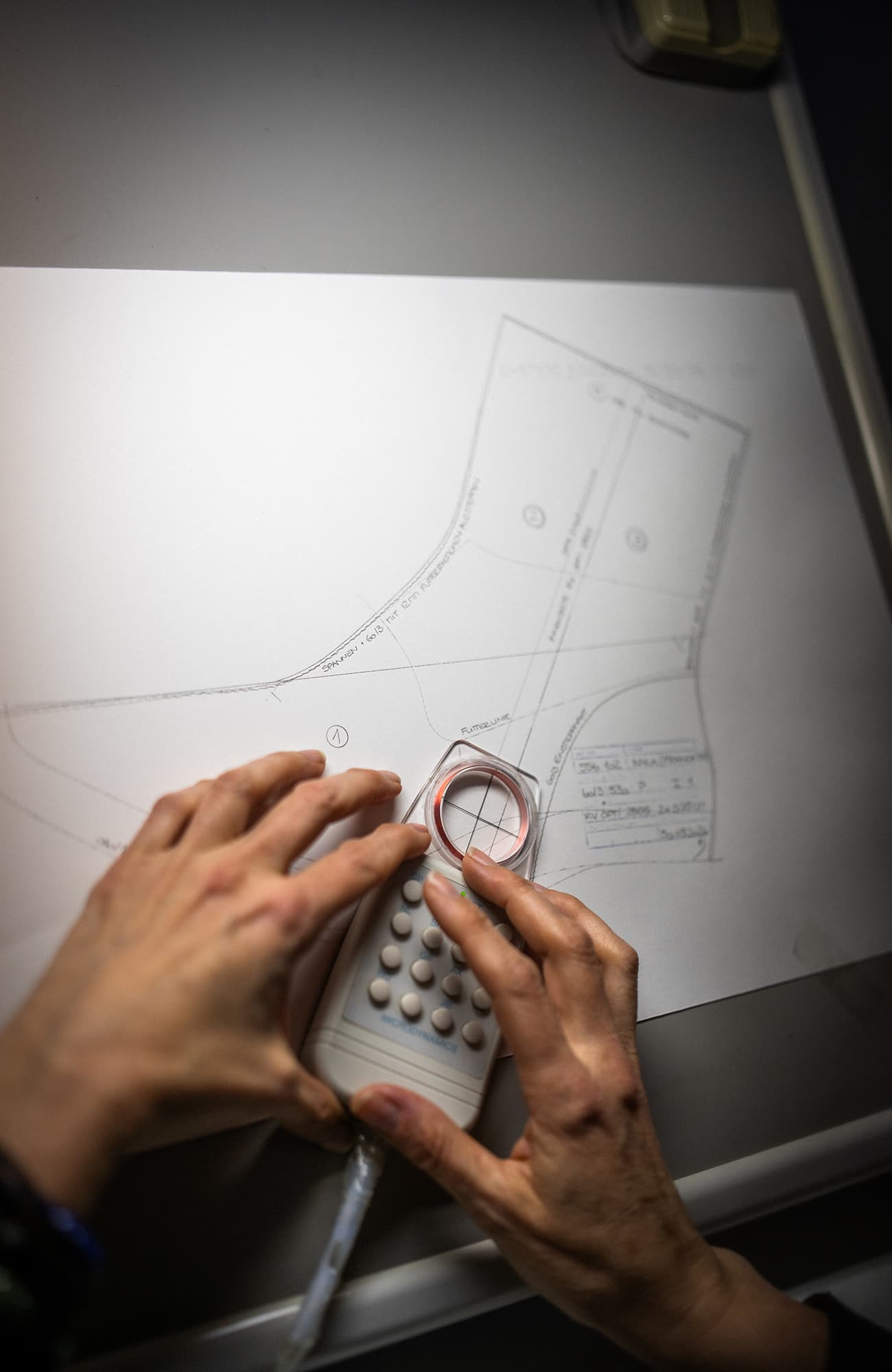
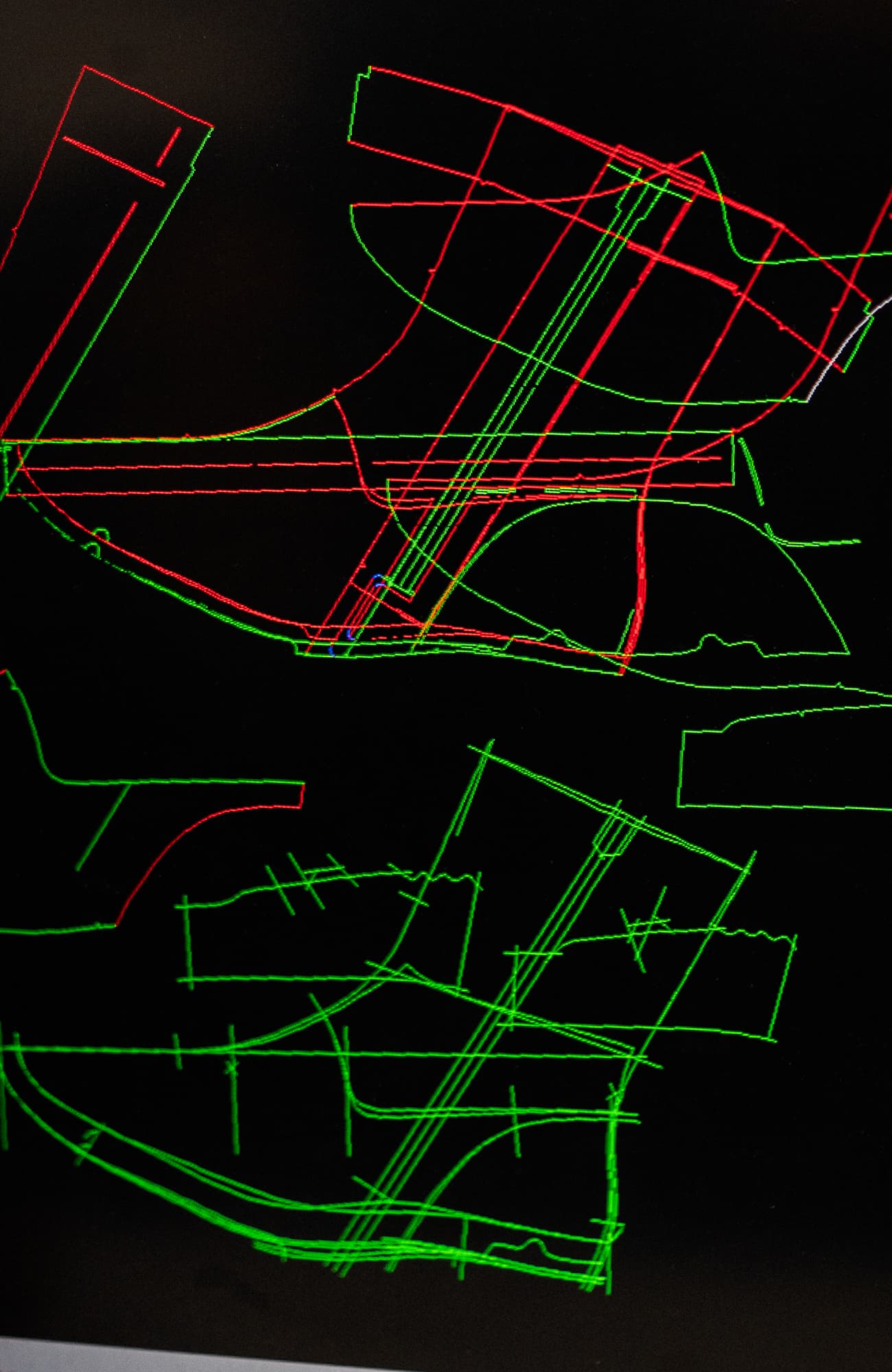
Every collection begins with an idea. Sketches, technical drawings and digital constructions translate inspiration into a viable model. Shape, leather, colour and accessories are coordinated with one another. Prototypes are tested, refined and adjusted as needed.
02 Material expertise
Selecting and inspecting leather
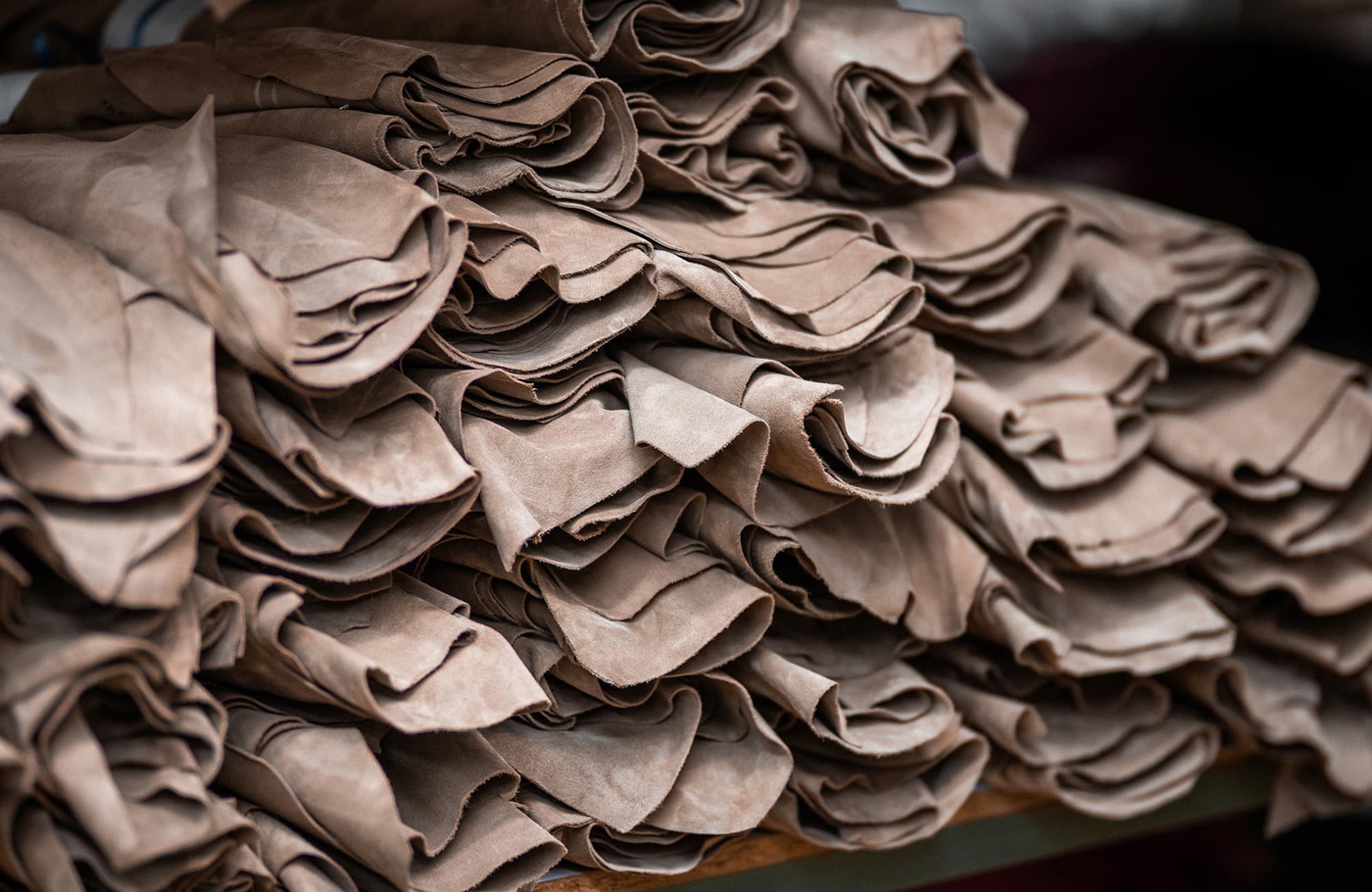
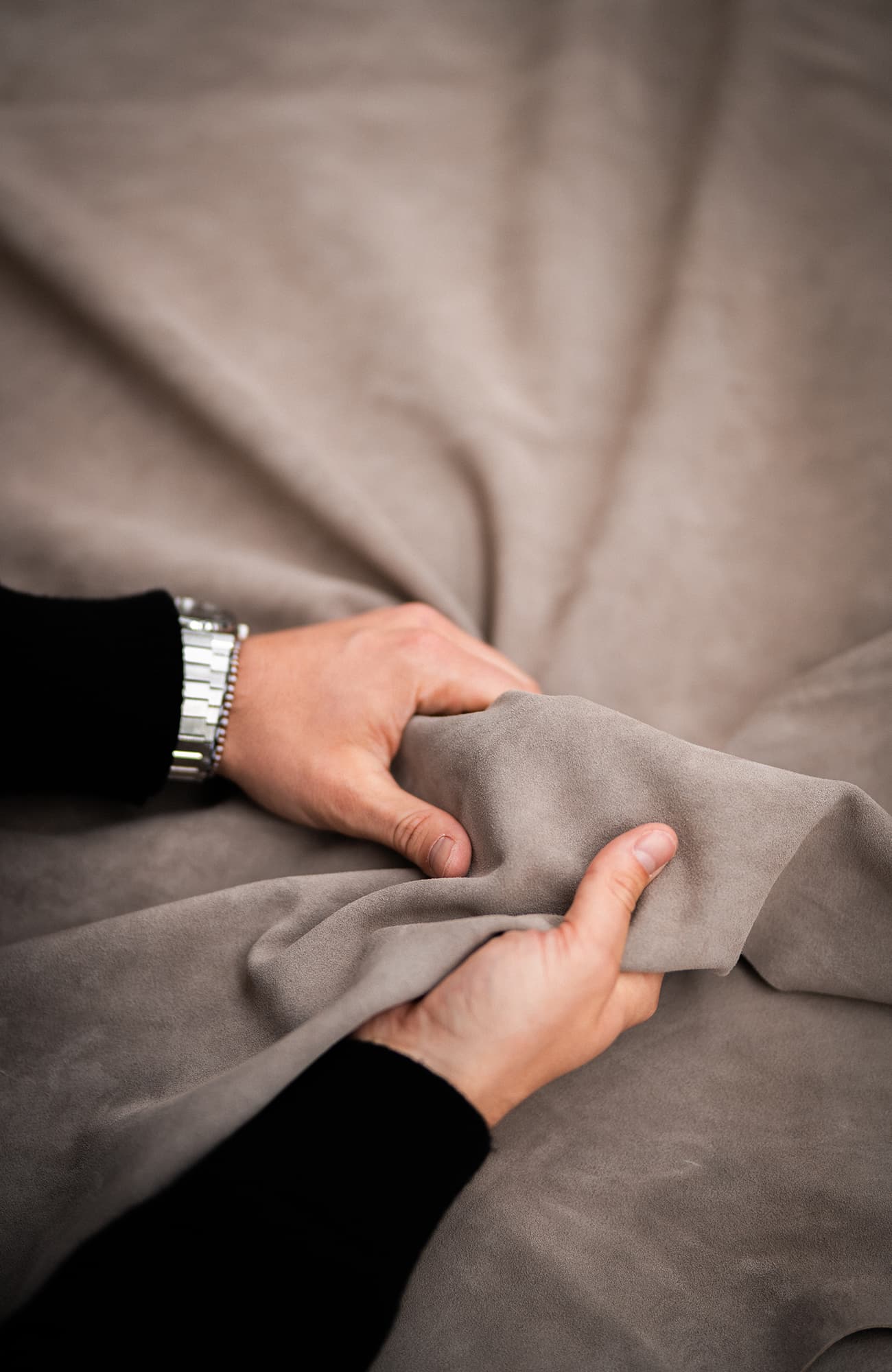
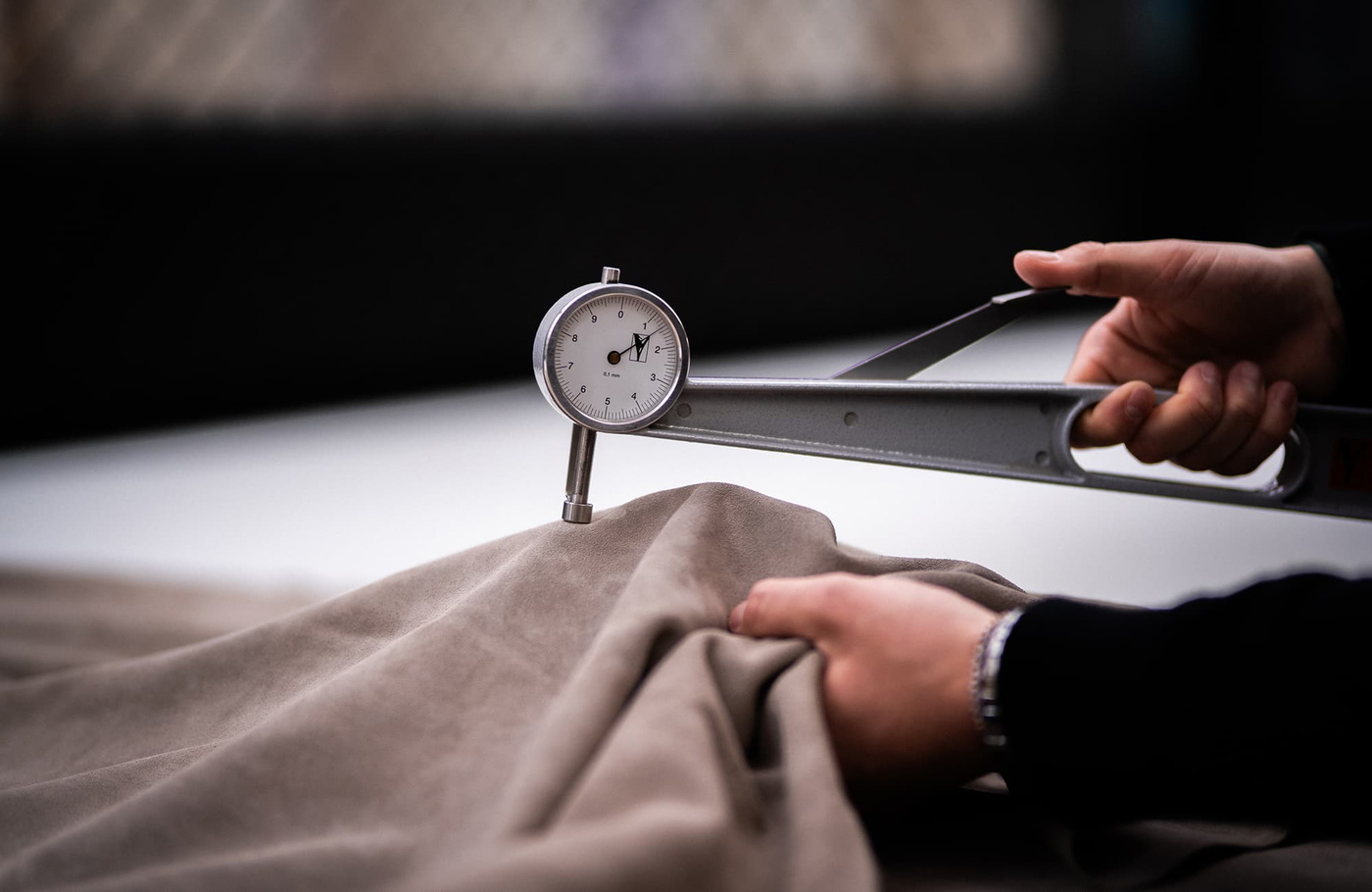
Leather refined in Italian tanneries is carefully inspected once again in Pirmasens. Thickness, feel, structure and natural characteristics determine what the finished shoe will ultimately look like. As a natural material, every leather has its own character.
03 Cutting
Precision in leather cutting
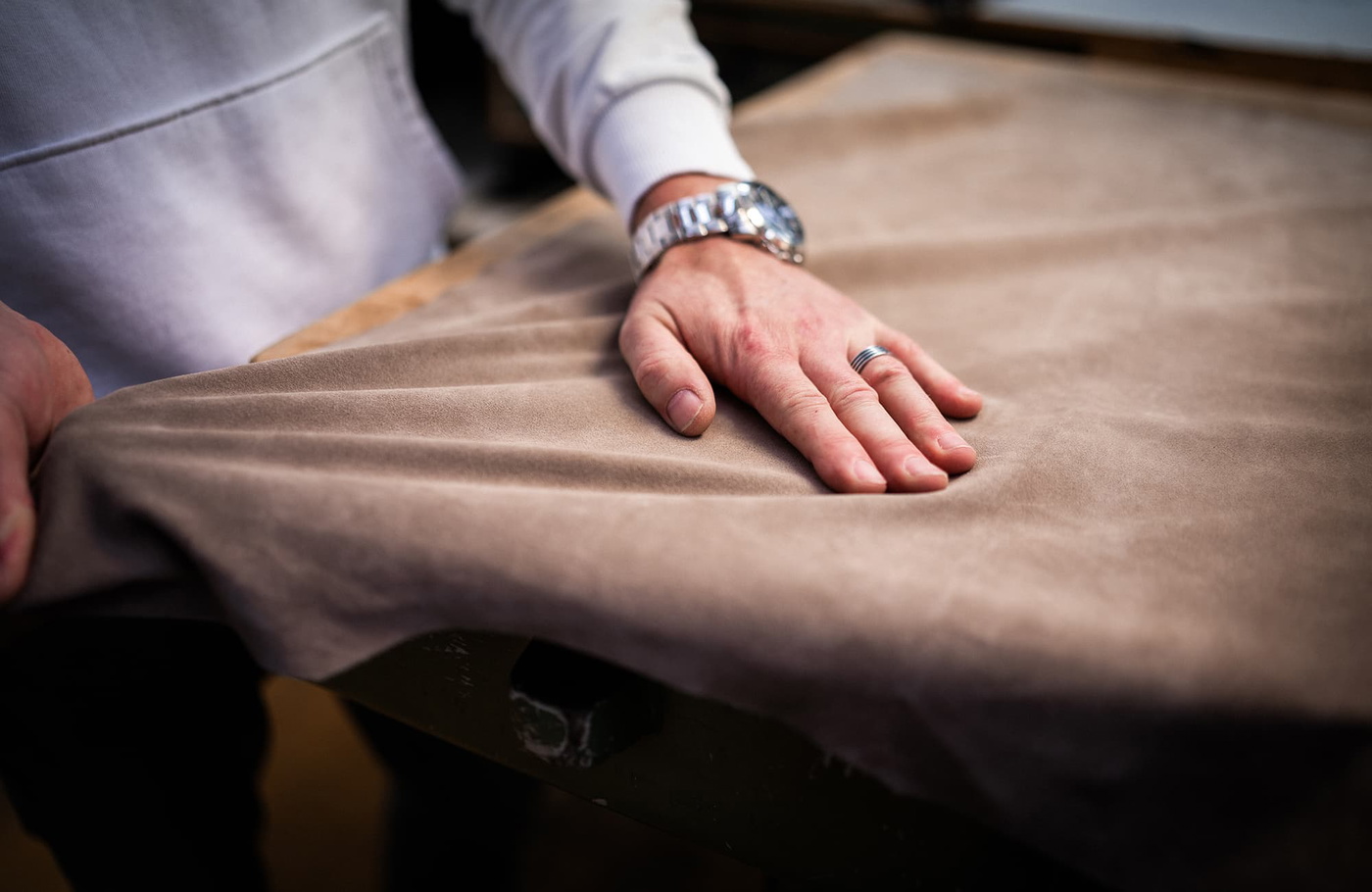
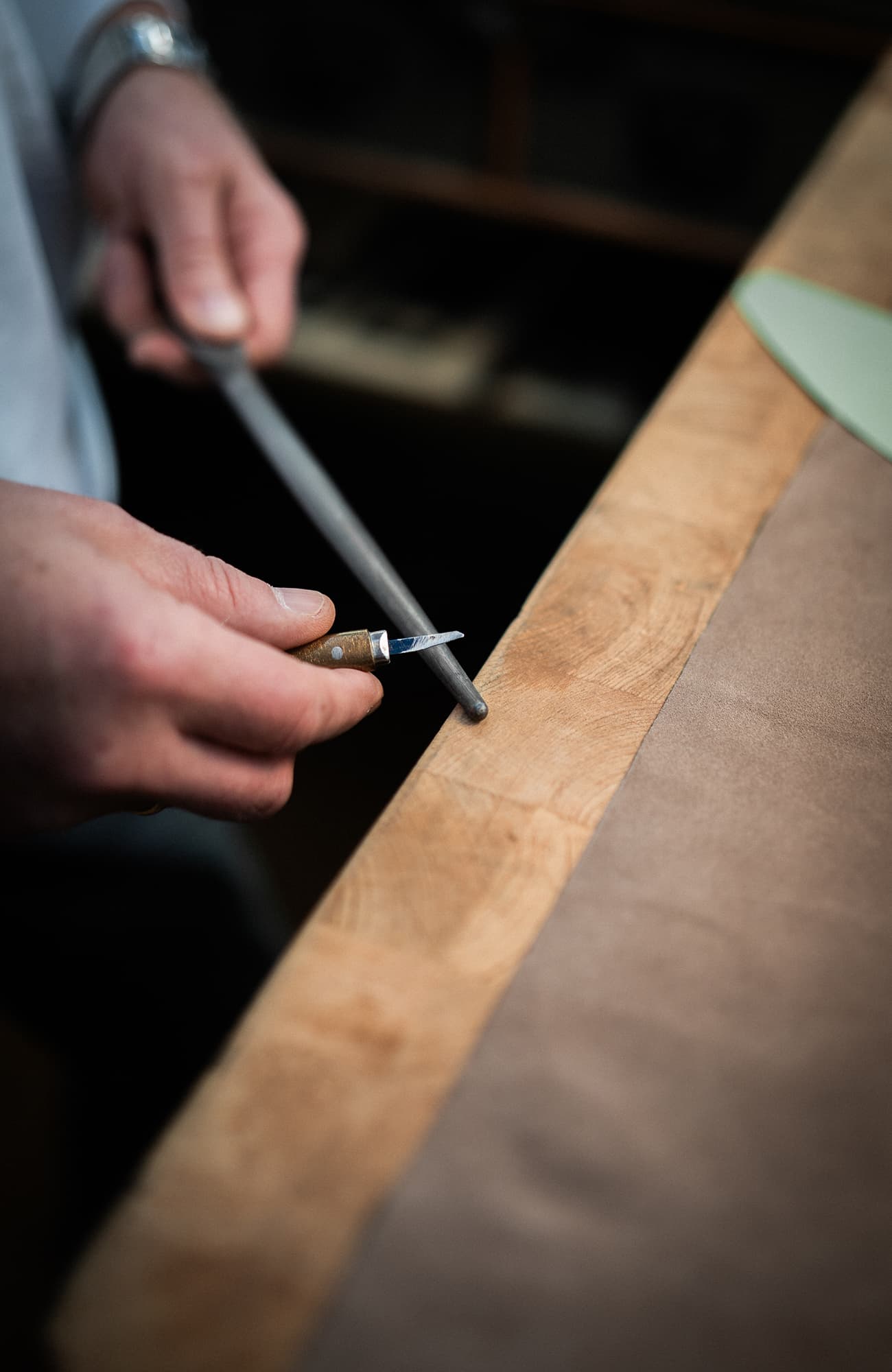
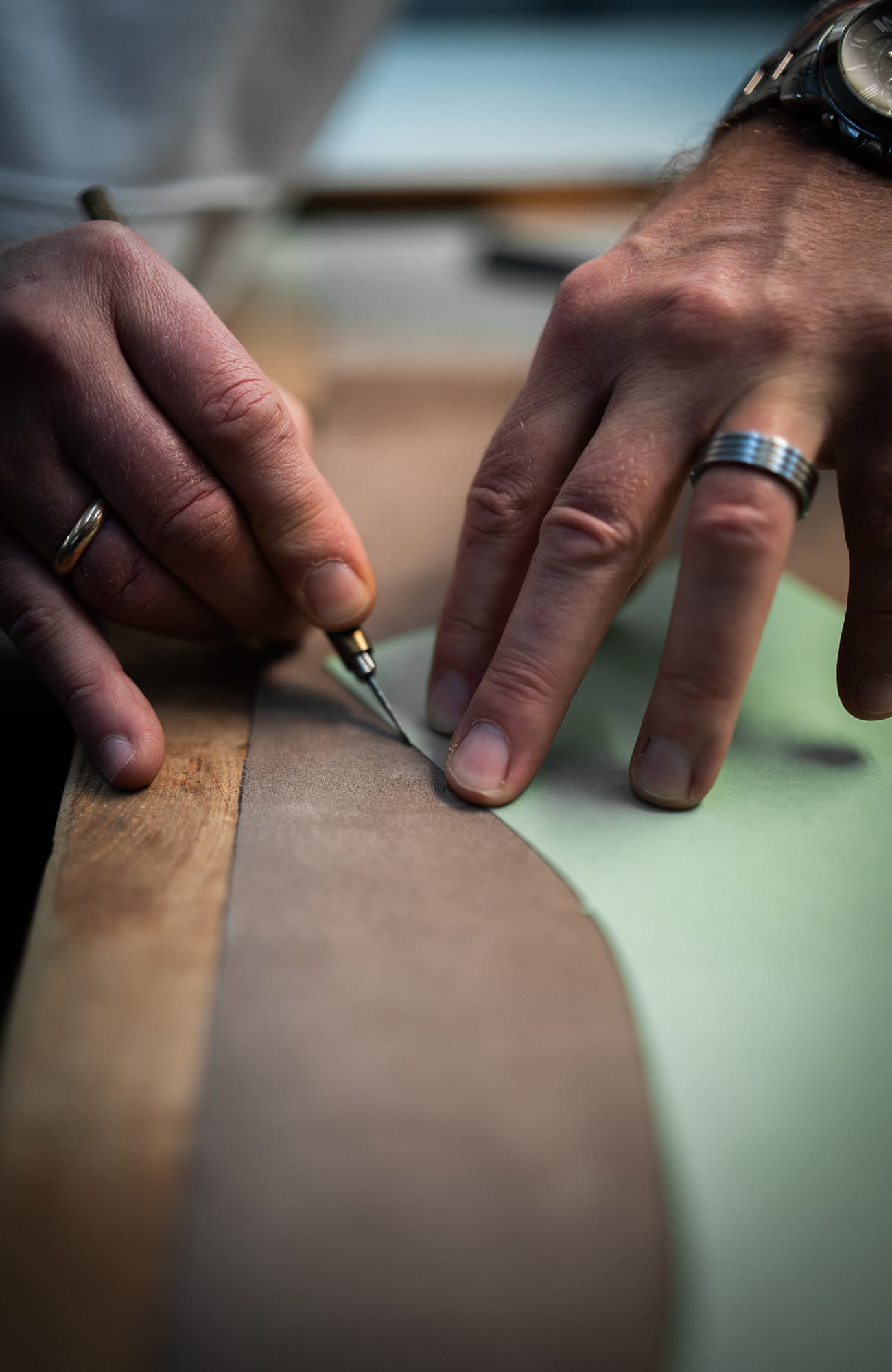
Cutting is where the individual components of the shoe are created - by hand with templates or with cutting dies. Grain direction, stretch and pairing must be considered exactly so that the left and right shoe later form a matching pair. Experience and a trained eye are essential.
04 Stitching and upper assembly
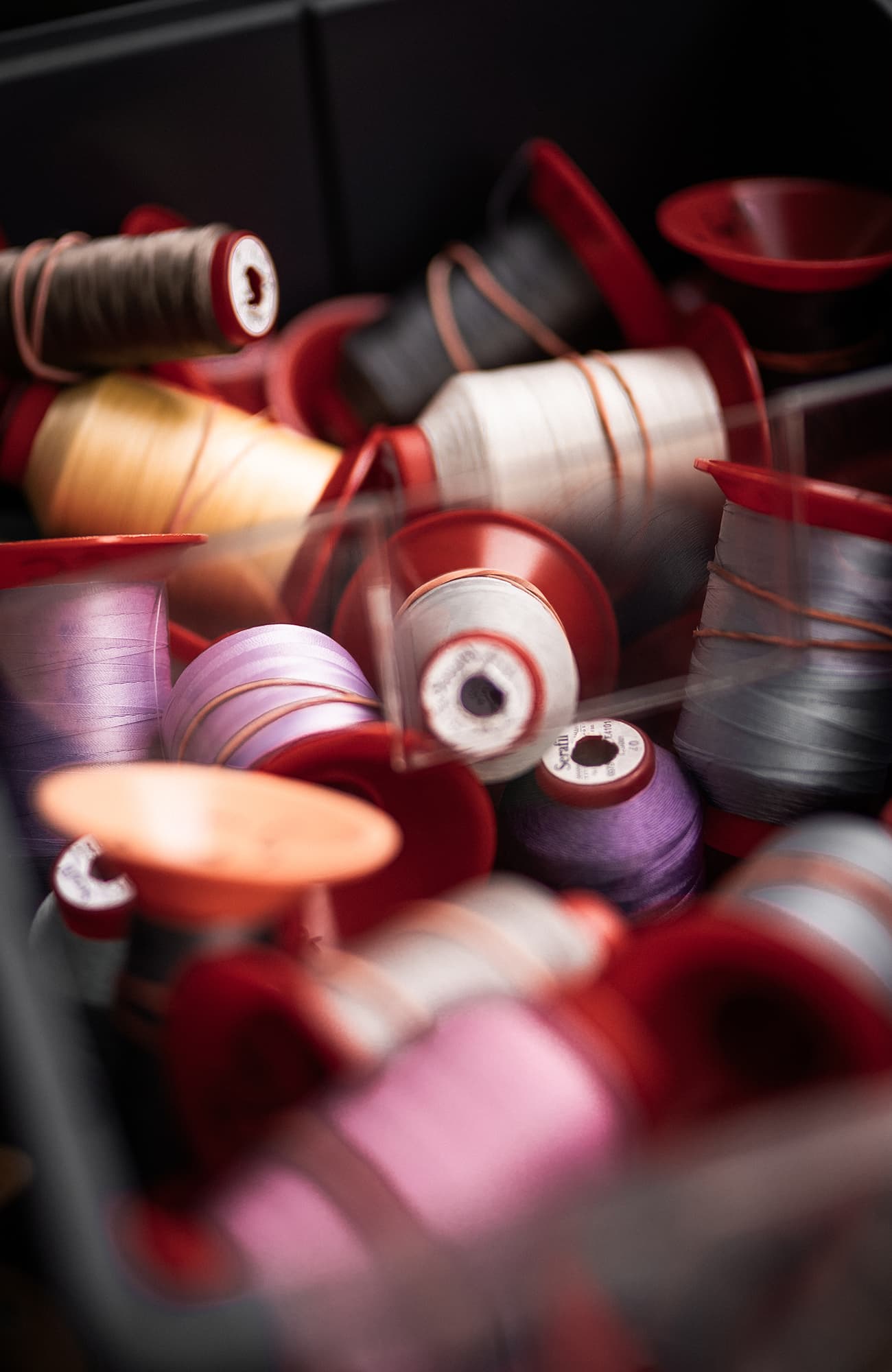
From individual parts to an upper
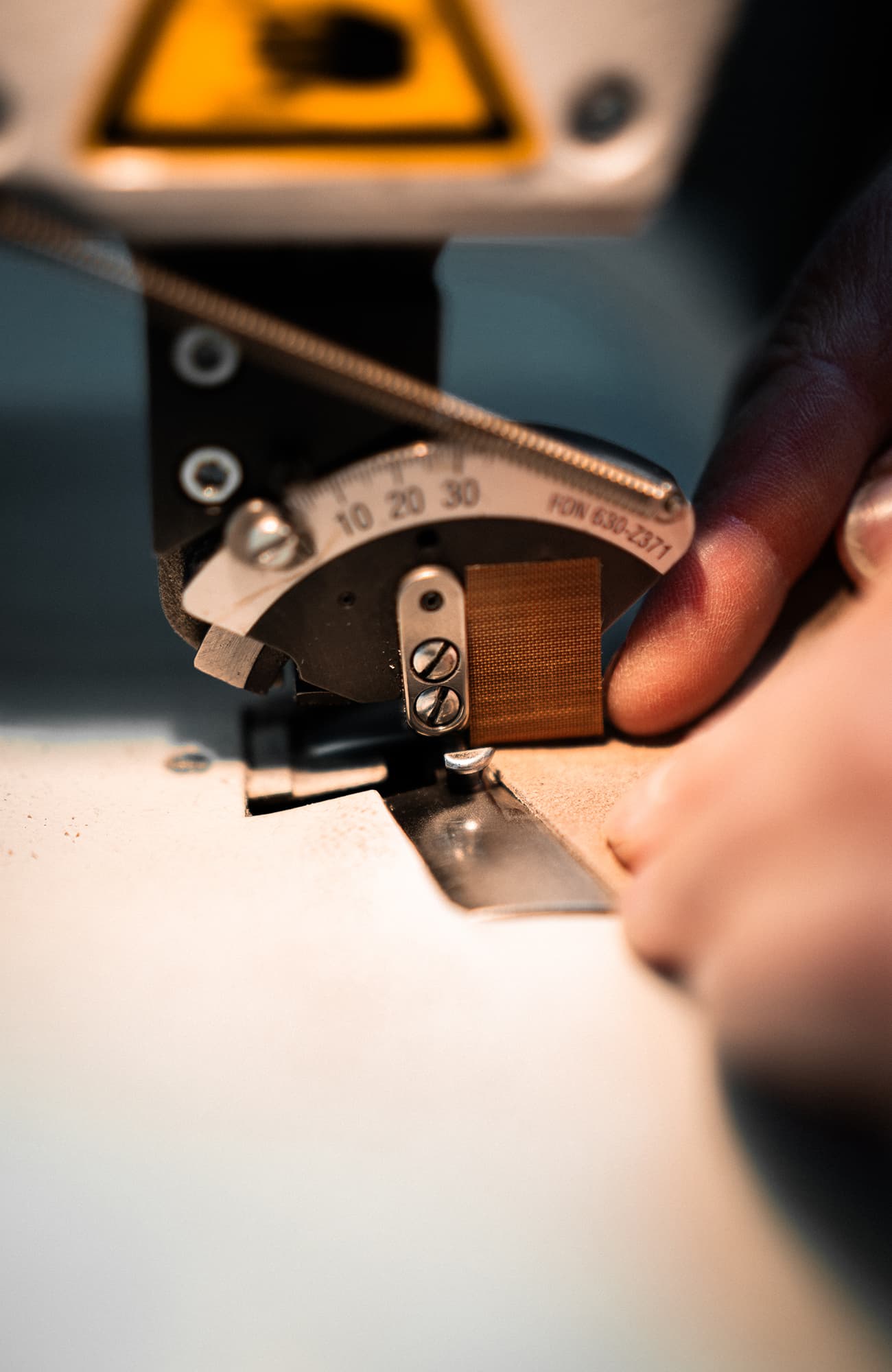
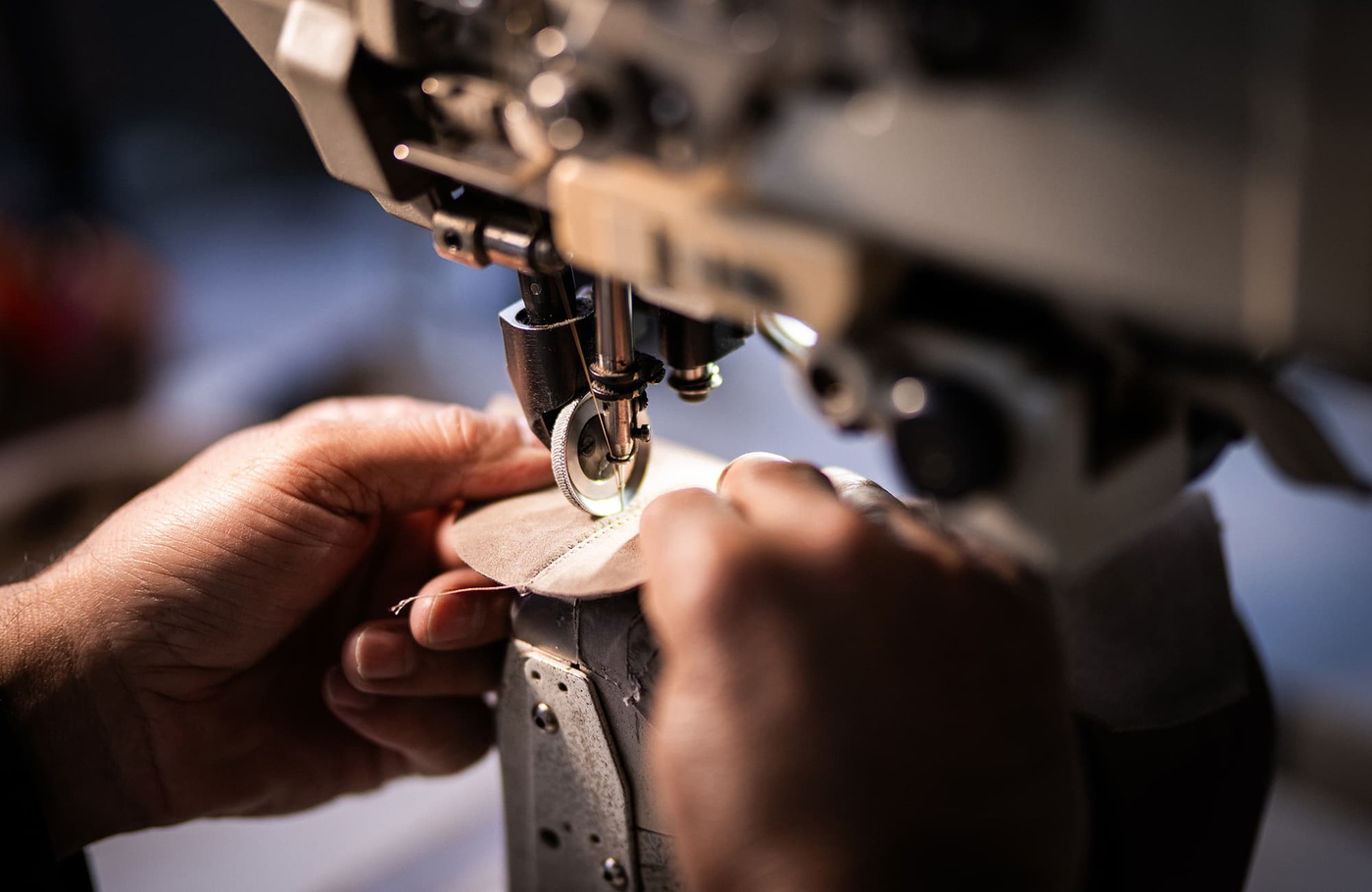
In the stitching department, the cut pieces are prepared, brought to the right thickness and skived at the edges. Eyelets, zippers and reinforcements are added. Thread, needle and stitch length are precisely matched to the material and design.
05 Sole department
The foundation of the shoe
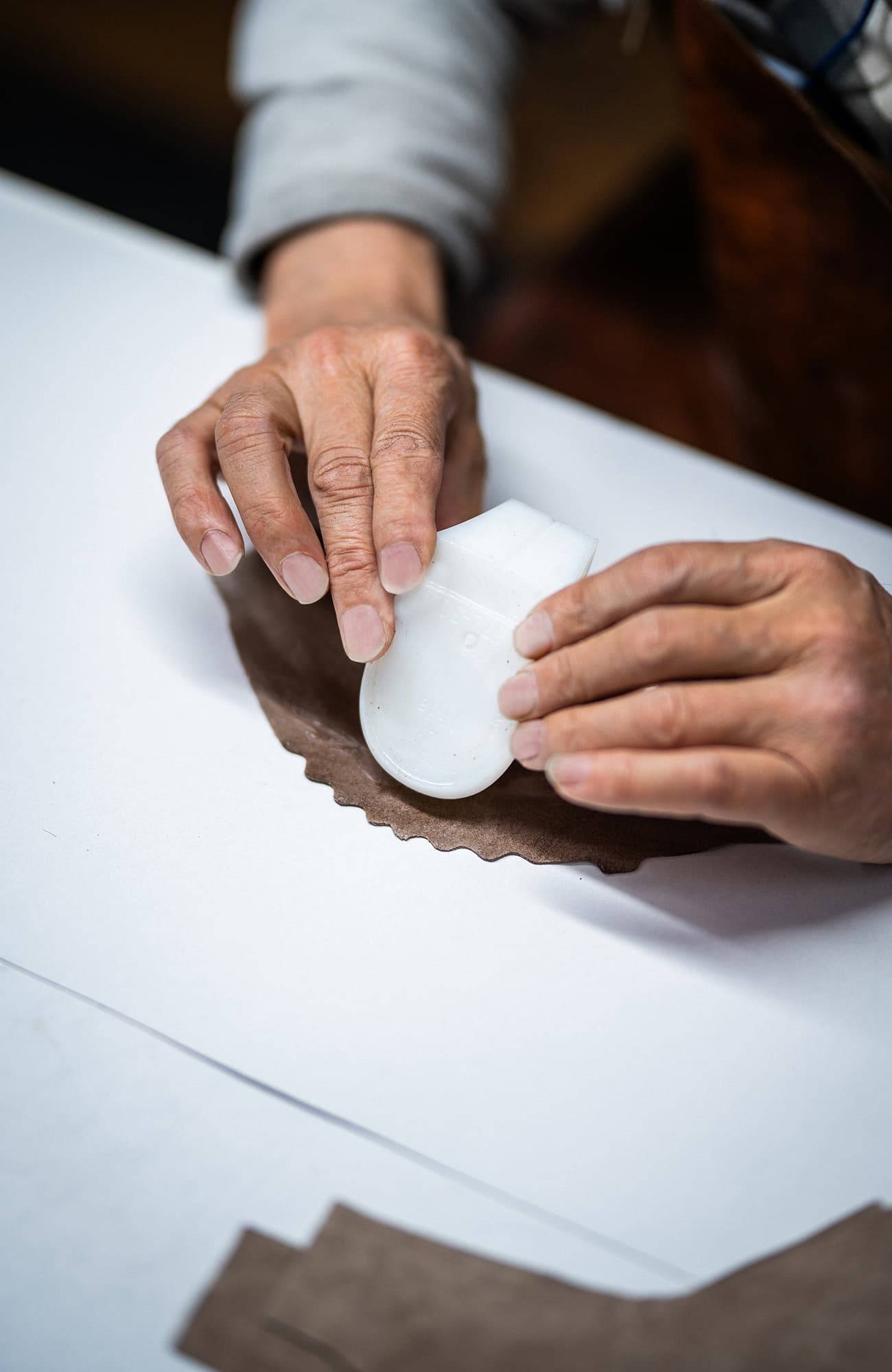
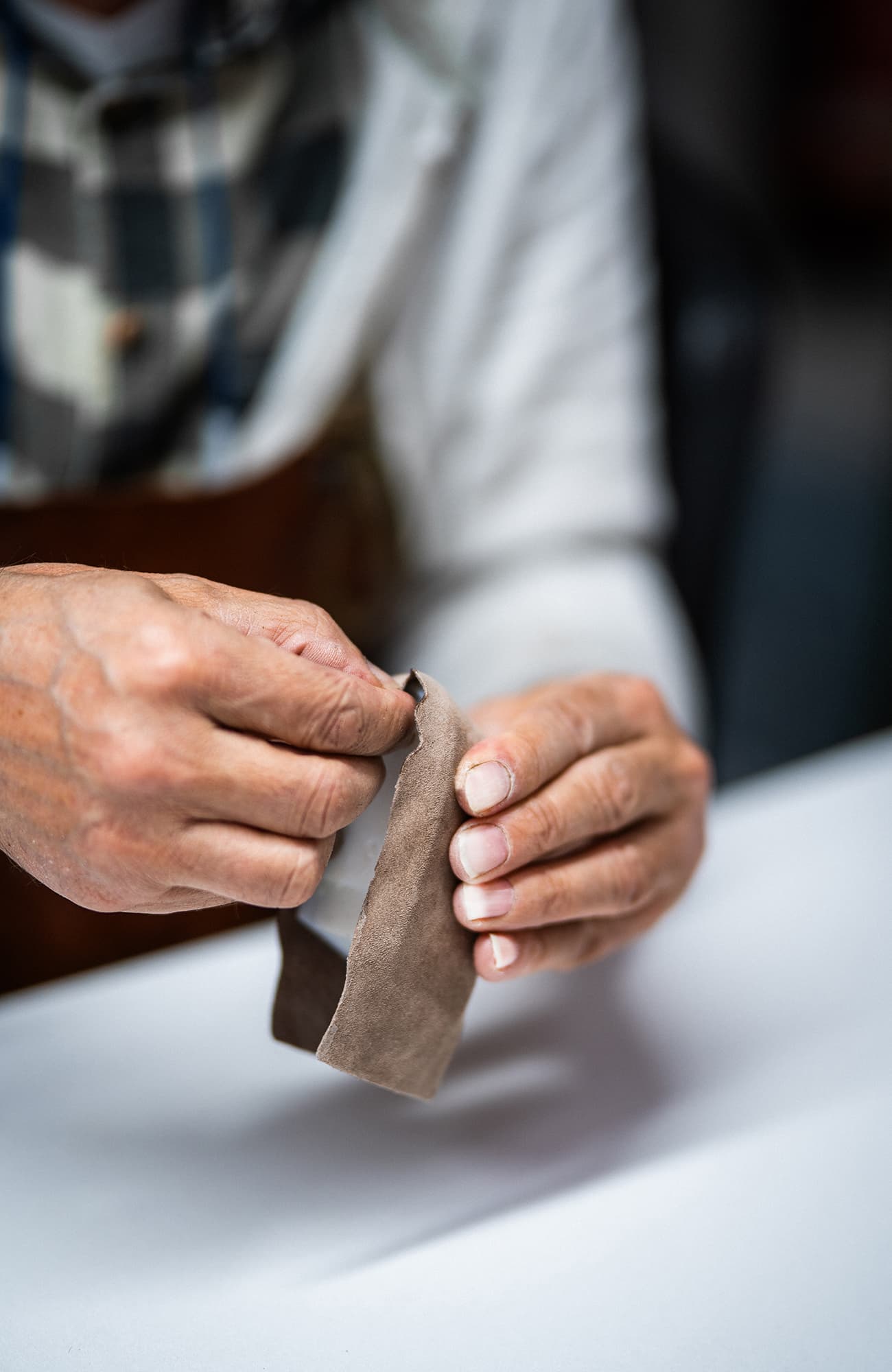
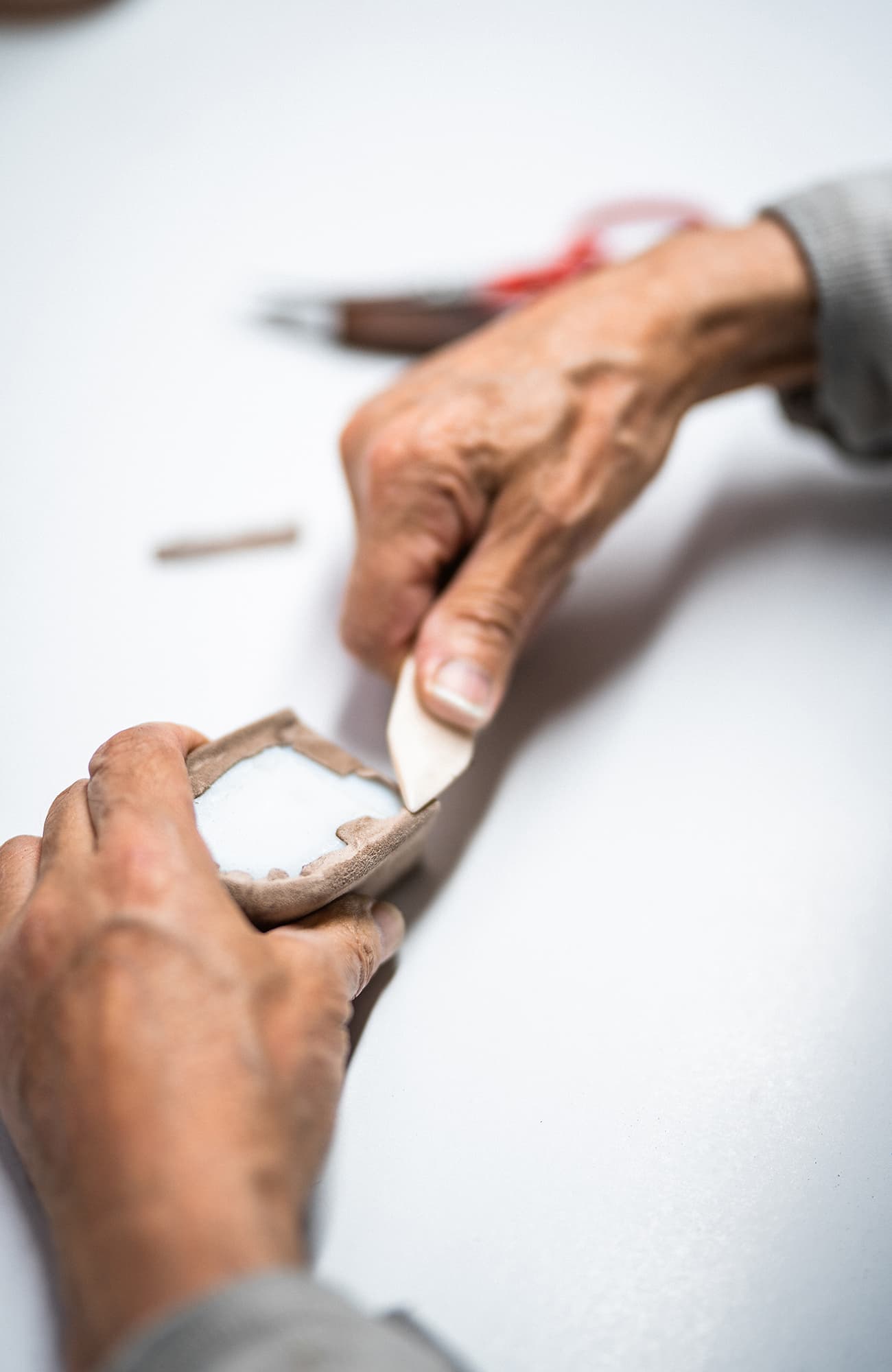
Our own sole department produces sole components; other soles are finished according to the model's requirements. Heels, for example, are covered with matching leather. Precision is especially critical for these details.
06 Lasting and shaping
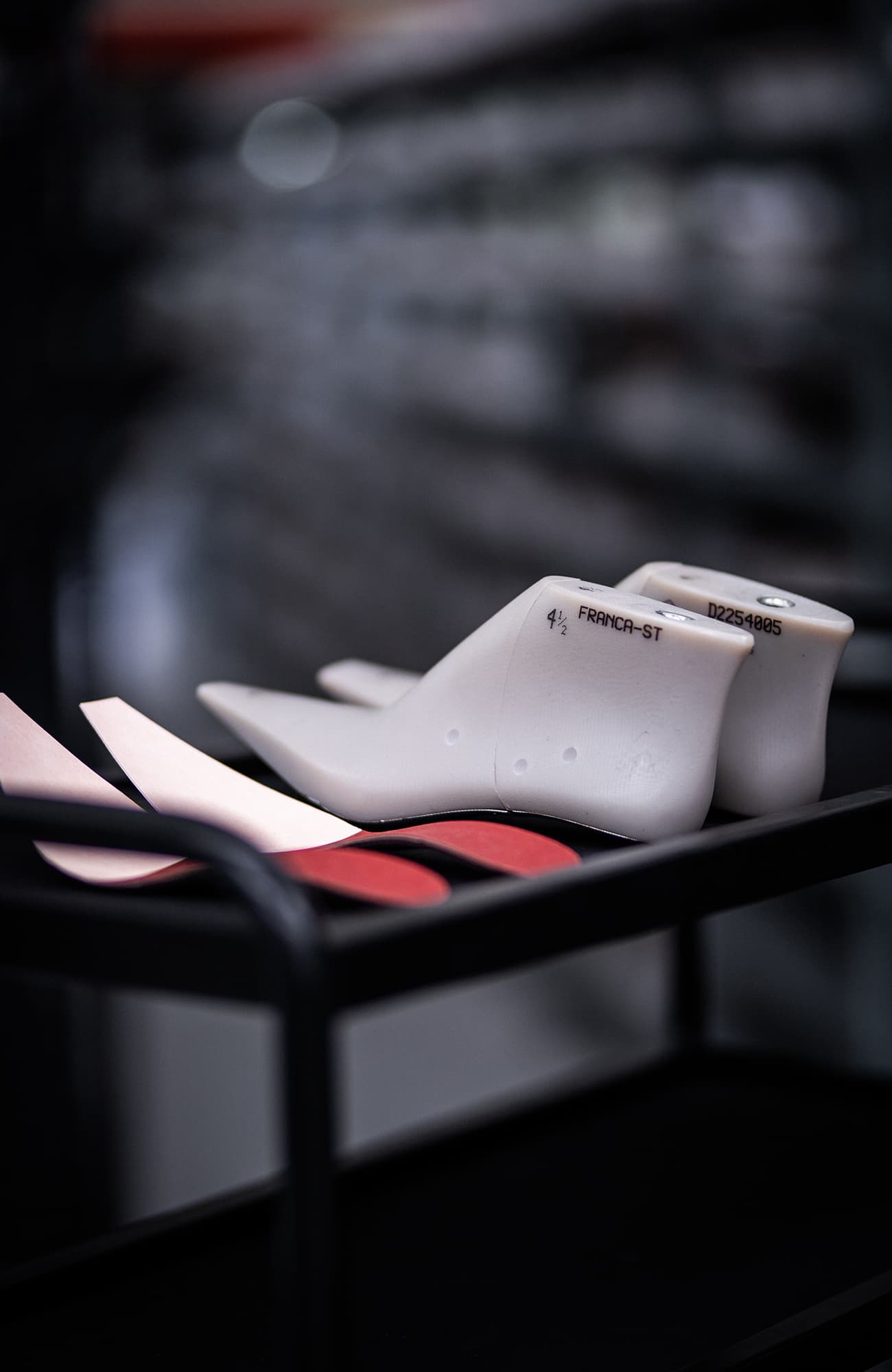
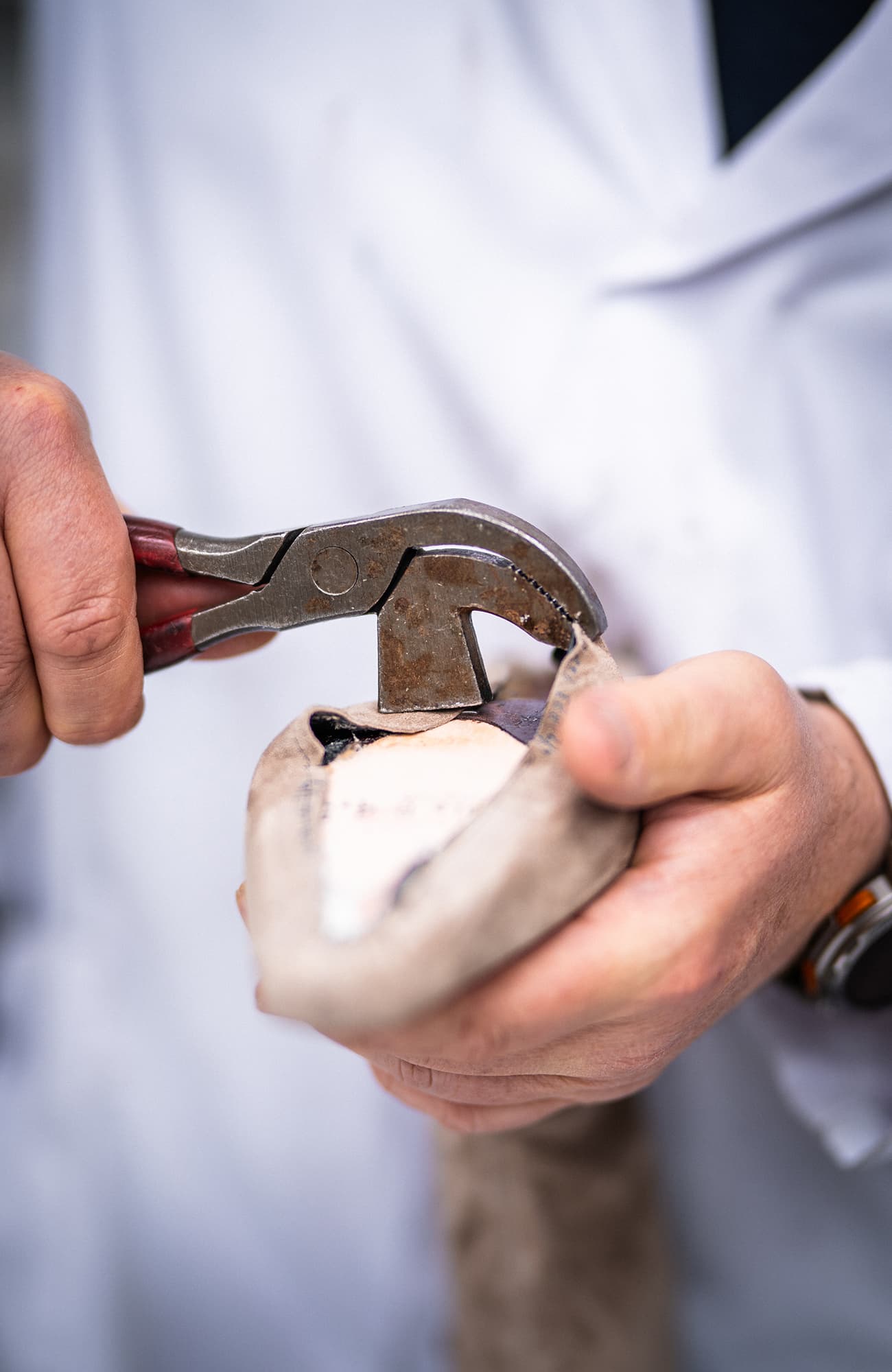
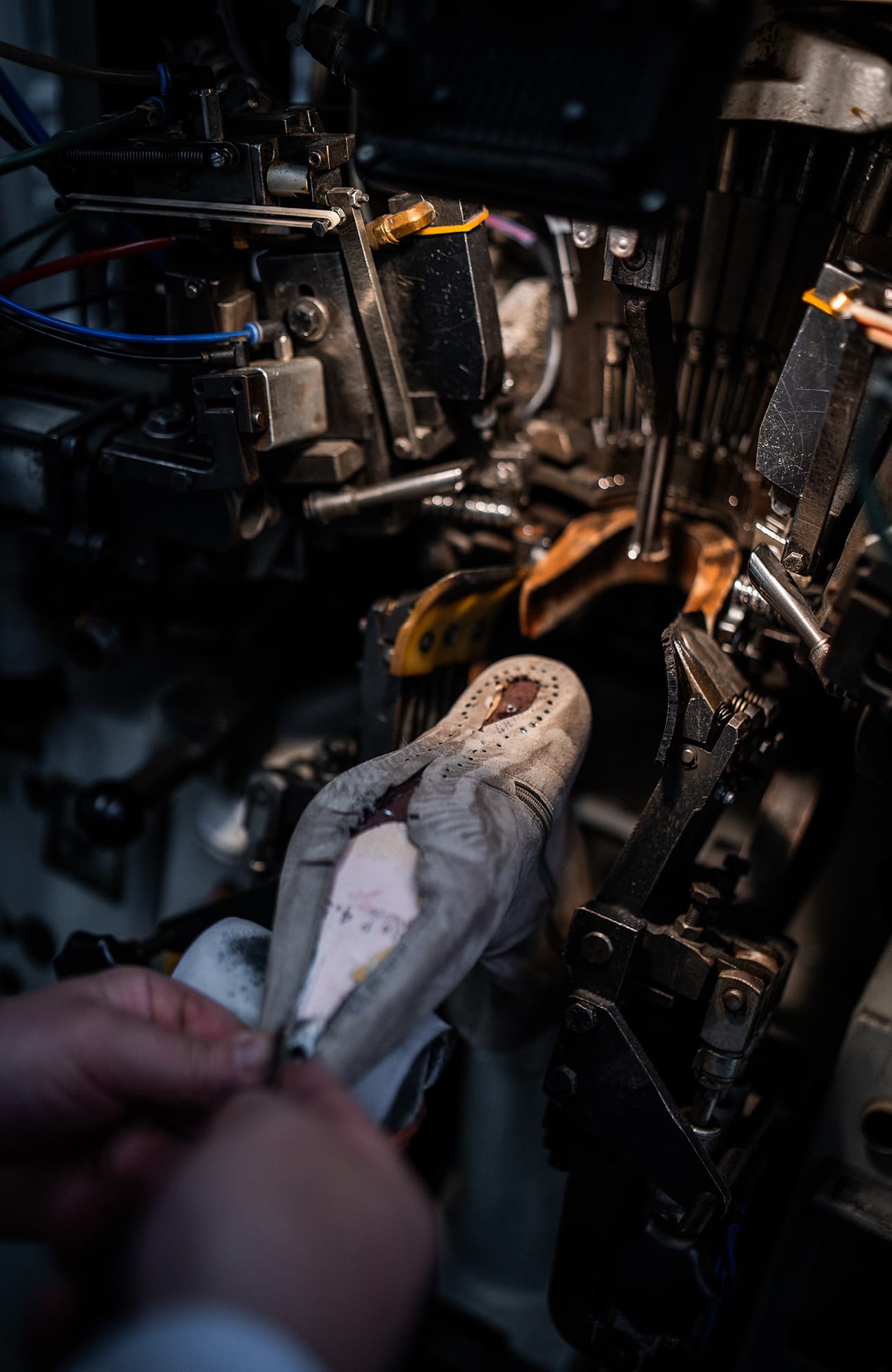
The last gives it shape
Now the upper takes on its three-dimensional shape. The upper is pulled over the model-specific last. Heat makes the leather pliable; craftsmanship ensures it is precisely aligned, stretched and fixed. Machines assist, but the craft leads.
07 Assembly
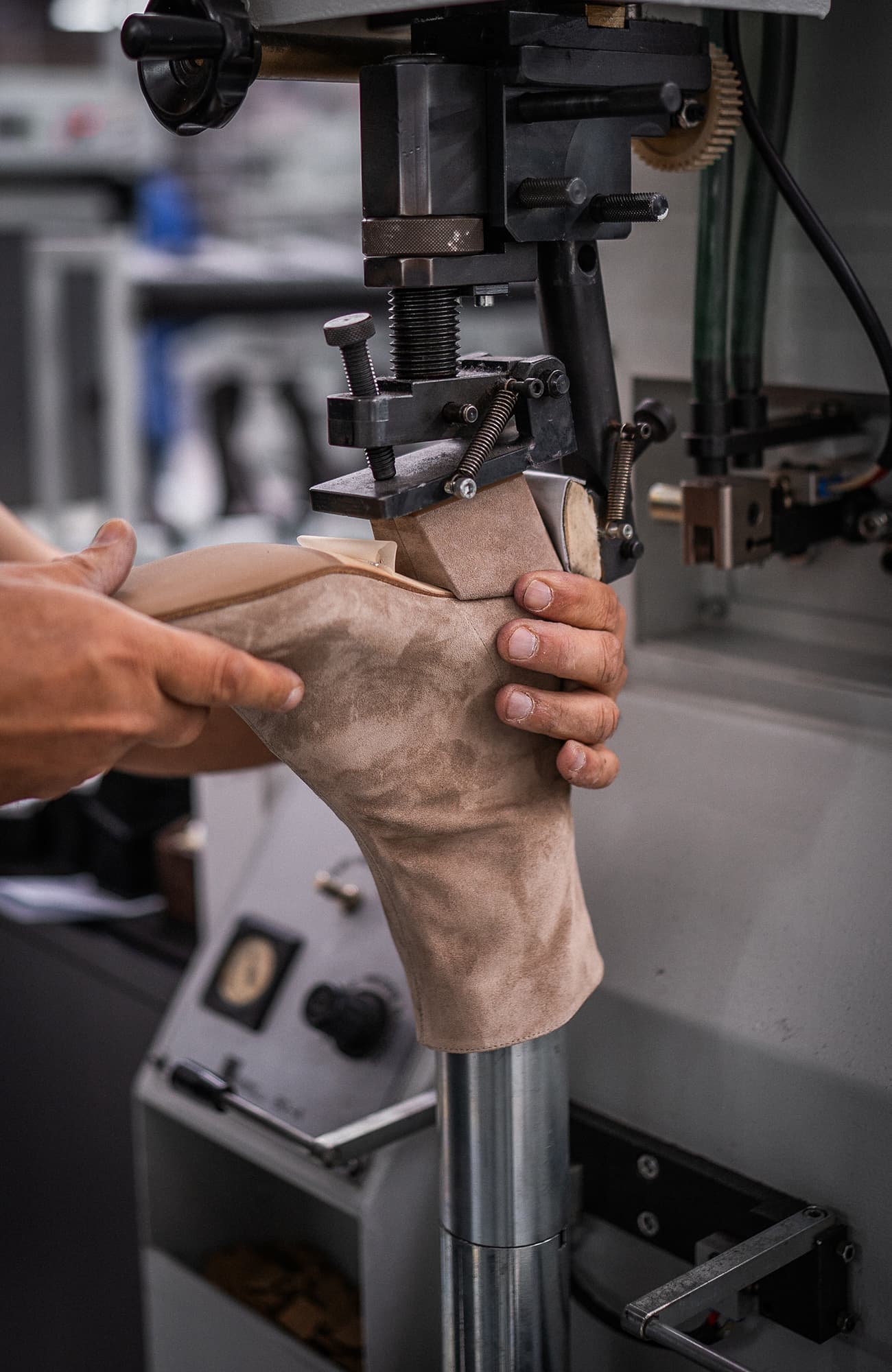
Joining sole and heel
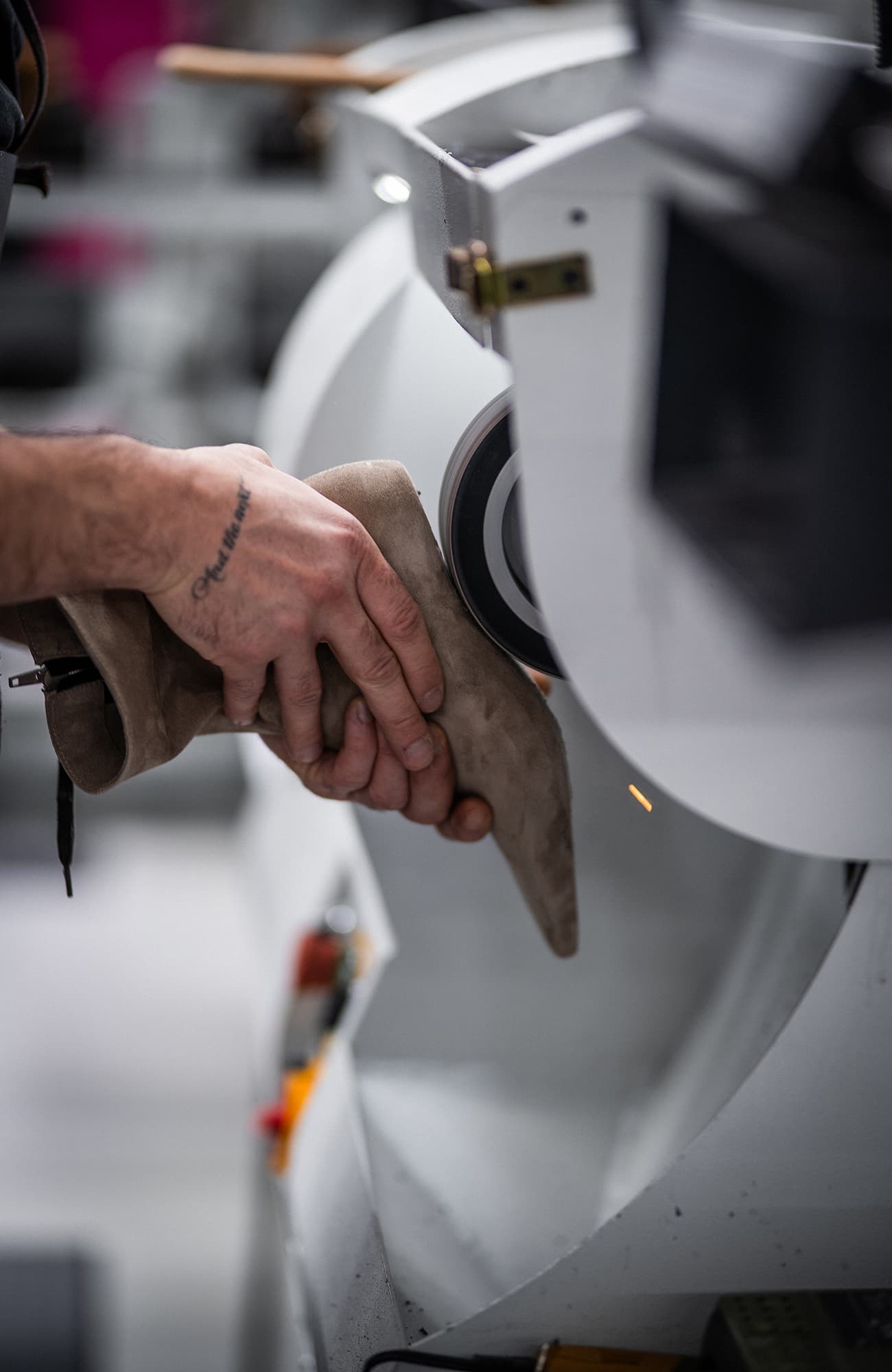
After lasting, the contact surfaces are prepared and roughened. The adhesive is activated, the sole precisely positioned and pressed onto the shoe. The heel is then aligned and securely attached.
08 The final look counts
Finishing, inspection and packaging
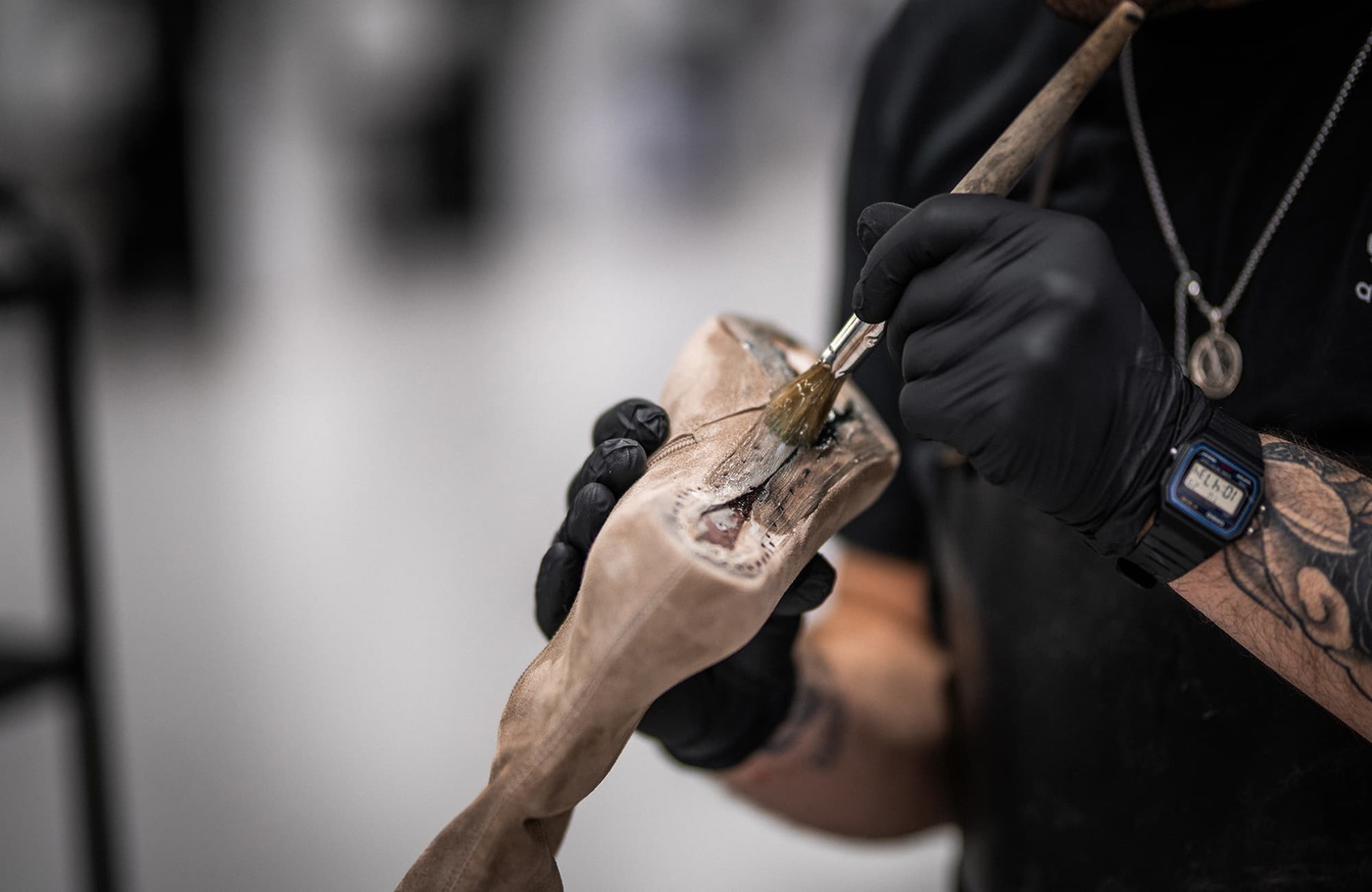
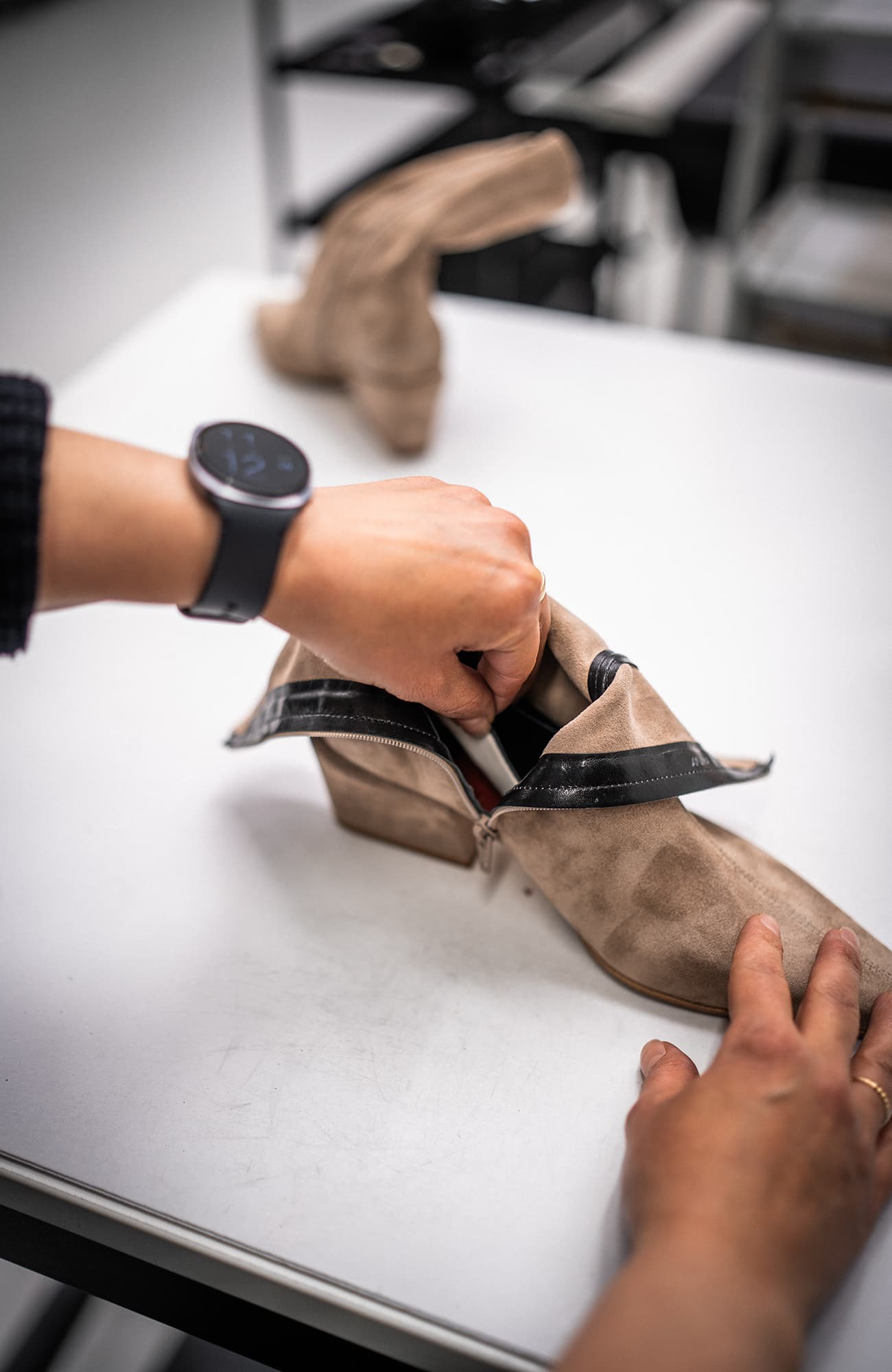
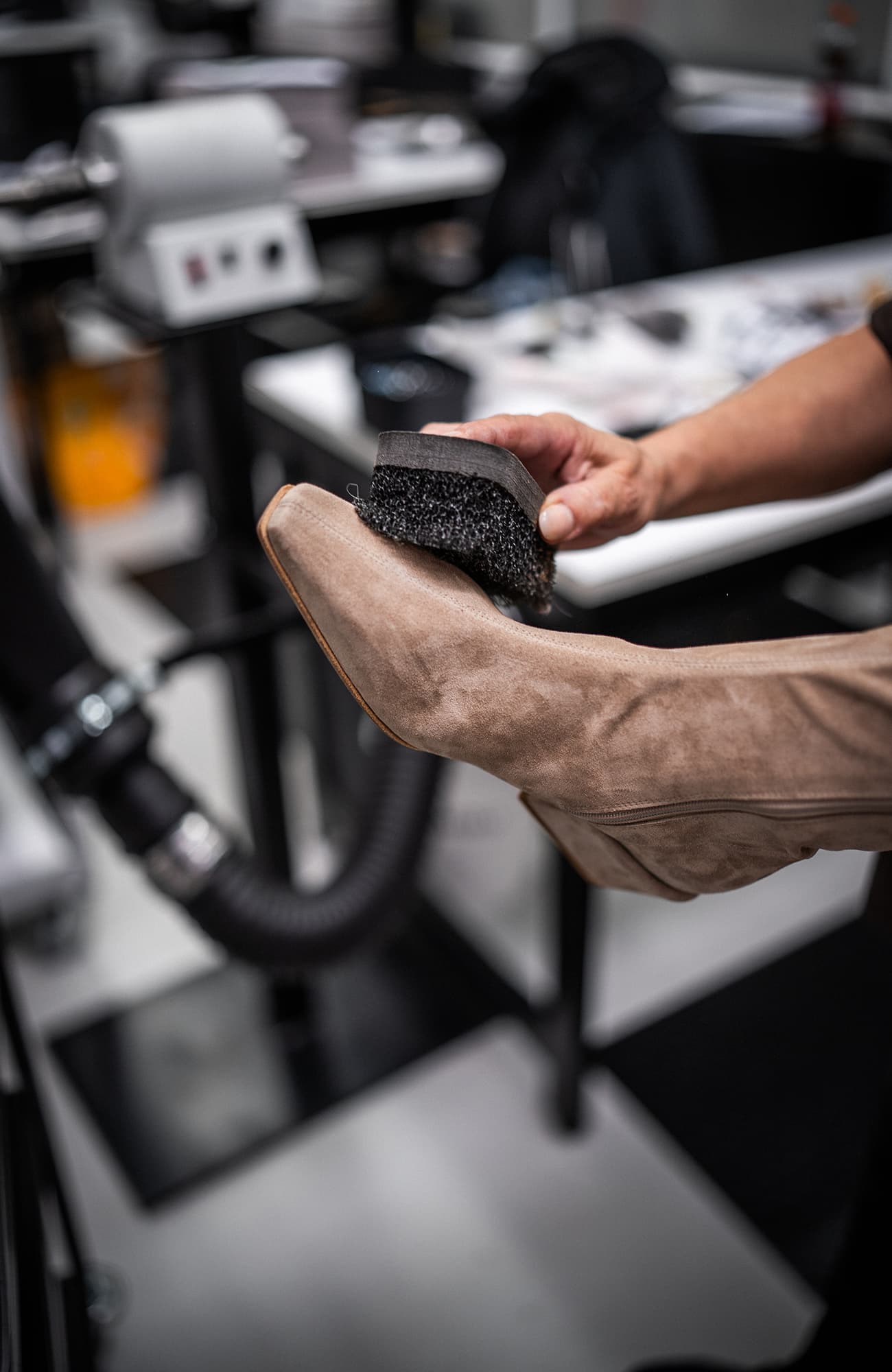
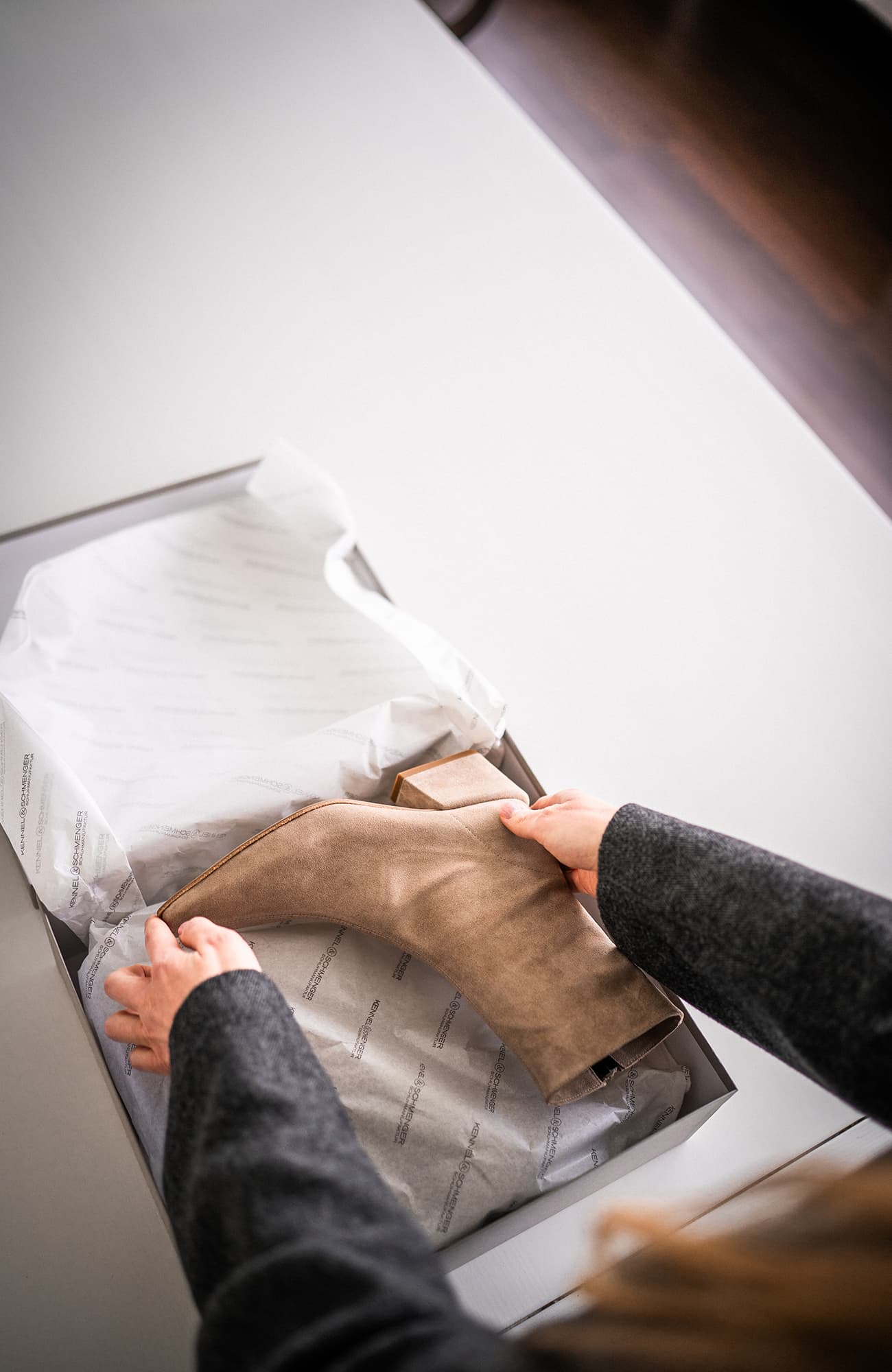
After being joined with the outsole, the shoes rest so the materials can stabilise. The last is removed, the heel and leather are given their final treatment, and the insole is inserted by hand. Every pair is inspected and then carefully packaged.