

Material Guide
Leather and its properties
The most important types of leather at a glance
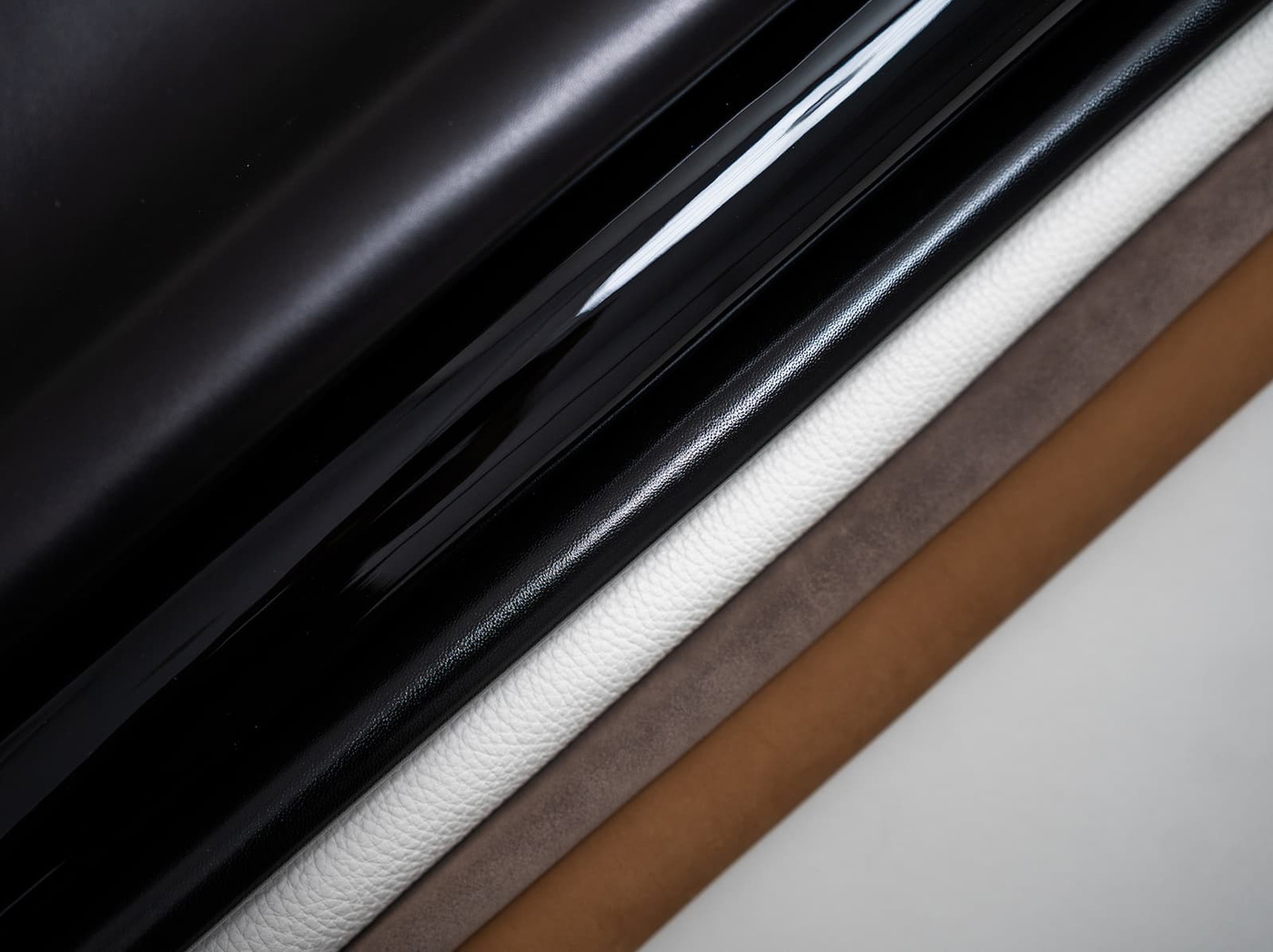
The leather of a women's shoe defines its look, feel, shape and wearing comfort. At the Kennel & Schmenger shoe manufactory, high-quality leathers from Italian tanneries are selected to suit each model. Our Material Guide shows how the most important types of leather differ and which natural properties they have.
Materials at a glance
The basics
Leather is a natural material
No two hides are alike. Subtle differences in the pore pattern, the grain or the way the colour is absorbed are therefore part of the natural character of leather. They make every pair of shoes unique and are not a flaw in quality.
With natural or only lightly finished surfaces, the natural feel, texture and breathability of the leather are particularly well preserved. Depending on the desired look and function, however, leather can also be smoothed, embossed, buffed or refined with a special surface finish.
.jpg)
Orientation
How are types of leather distinguished?
Leather names can refer to different properties. Calf leather and goat leather describe the origin of the leather. Smooth leather, suede and nubuck describe the nature of the surface. Terms such as nappa, patent or metallic additionally describe its character or finish.
A leather can therefore carry several names at the same time.
Materials at a glance
Calm · clear · versatile
Smooth leather
Smooth leather is an umbrella term for leather with the grain side facing outwards. The name does not mean that the surface has to be completely smooth: smooth leather can be matt, slightly glossy, finely grained, particularly soft or deliberately firm.
Its surface usually looks calm and even. Colours come across clearly, while the natural grain remains more or less visible depending on the finish. Over time, the movement of the foot can create fine, natural creases.
.jpg)
Soft · supple · flexible
Nappa leather
In footwear, nappa leather refers to a particularly soft and supple smooth leather. It is not a separate animal species and can be made from calf or goat leather, for example.
The fine surface, soft feel and high flexibility ensure pleasant wearing comfort. Nappa leather follows the movements of the foot and develops soft, natural creases. A shoe made of nappa leather is therefore also a shoe made of smooth leather.
.jpg)
Soft · open-pored · lively
Velours leather, suede or buckskin
Velours leather has a soft, open-pored surface. To achieve this, the leather is roughened, creating the characteristic velvety nap. Internationally, the material is known as suede.
When you run your hand over it, the direction of the fine fibres changes. This creates different colour effects and a lively play of light and shadow. Suede feels soft and flexible and has a particularly warm, casual look.
.jpg)
Fine · matt · velvety
Nubuck leather
Nubuck is also a napped leather. Unlike suede, the surface of the leather is very finely buffed rather than roughened. This creates a short, dense and particularly fine nap.
The surface looks velvety, matt and usually somewhat more compact than suede. Nubuck also changes its colour effect slightly when you run your hand over it. These typical writing marks are part of the material's natural character.
.jpg)
Glossy · clear · expressive
Patent leather
Patent leather is a smooth leather with a high-gloss, closed surface. The finish reflects the light and gives the material a clear, elegant and expressive appearance.
Thanks to the even surface, colours appear particularly intense. Patent leather often looks somewhat firmer than very soft nappa leather and is suitable both for elegant models and for modern, deliberate accents.
.jpg)
Lining · insole · comfort
Leather inside the shoe
It is not only the visible upper material that influences wearing comfort. At Kennel & Schmenger, the lining and insole are usually made of leather as well. Particularly soft materials are chosen for these areas, which feel pleasant on the foot and support a balanced climate inside the shoe.
The leathers and other materials used for a particular shoe are listed on the respective product page.
.jpg)